Interim Management and Operational Leadership
TRETIAKOV CONSULTING
Powers can be delegated on paper while margin, capital and approval remain where they were. A structure changes how a business operates only when authority, economic accountability and control are aligned in practice.
Scope:
operating model
Governance:
sponsor-led
Involvement:
through adoption
Scope:
operating model
Governance:
sponsor-led
Involvement:
through adoption
Our clients and markets
01
OUR CLIENTS AND MARKETS
OUR CLIENTS AND MARKETS
//
International investors across complex, CIS and growth markets
Companies and investors committing capital across complex, selected CIS and other growth markets, including Kazakhstan, Uzbekistan, Azerbaijan, Georgia and Armenia, where local P&L ownership, reserved matters, governance and board reporting must be designed deliberately.
//
International investors across complex, CIS and growth markets
Companies and investors committing capital across complex, selected CIS and other growth markets, including Kazakhstan, Uzbekistan, Azerbaijan, Georgia and Armenia, where local P&L ownership, reserved matters, governance and board reporting must be designed deliberately.
//
European companies facing exceptional complexity
Owner-led and mid-market companies facing transformation, diversification, market entry or other unfamiliar challenges that exceed existing management experience and require senior advisers with direct operating responsibility in practice.
//
European companies facing exceptional complexity
Owner-led and mid-market companies facing transformation, diversification, market entry or other unfamiliar challenges that exceed existing management experience and require senior advisers with direct operating responsibility in practice.
TRETIAKOV CONSULTING
Since 2015
Complex situations require senior judgment grounded in operating responsibility, with direct principal involvement from the first decision through practical execution.
WHEN THE CONSTRAINT SITS AT EXECUTIVE LEVEL
02
WHEN THE CONSTRAINT SITS AT executive level
Commitments continue while the role is vacant
Terms are agreed, capital is drawn and obligations are entered into while nobody holds accountability for the outcome of any of them.
Commitments continue while the role is vacant
01
Terms are agreed, capital is drawn and obligations are entered into while nobody holds accountability for the outcome of any of them.
Cover is not command
The responsibilities are distributed among people who already hold roles, each protecting their own result, and the work is covered without being led.
Cover is not command
02
The responsibilities are distributed among people who already hold roles, each protecting their own result, and the work is covered without being led.
Recruitment runs on its own clock
Executive search proceeds at a pace set by the candidate market, while the business continues to require decisions at its own pace.
Recruitment runs on its own clock
03
Executive search proceeds at a pace set by the candidate market, while the business continues to require decisions at its own pace.
Responsibility without line authority
An integration, a ramp-up or a system change is being led by someone answerable for it who cannot direct the people delivering it.
Responsibility without line authority
04
An integration, a ramp-up or a system change is being led by someone answerable for it who cannot direct the people delivering it.
Management cannot reset its own plan
The plan has been missed repeatedly, and the remedies are being proposed by the same team that produced the result they are meant to correct.
Management cannot reset its own plan
05
The plan has been missed repeatedly, and the remedies are being proposed by the same team that produced the result they are meant to correct.
The decision an insider cannot credibly carry
Some corrections would compromise the authority, relationships or future standing of the executive expected to make them, and a board may appoint externally for the duration.
The decision an insider cannot credibly carry
06
Some corrections would compromise the authority, relationships or future standing of the executive expected to make them, and a board may appoint externally for the duration.
How involvement is structured
03
How involvement is structured










TRETIAKOV CONSULTING
Interim leadership becomes necessary when the decisions a role exists to take are not being taken, and cannot wait for a recruitment.
"I take a defined executive or operating role personally, with decision rights, reporting and completion conditions agreed before entry, and I remain accountable to the owner or board throughout."
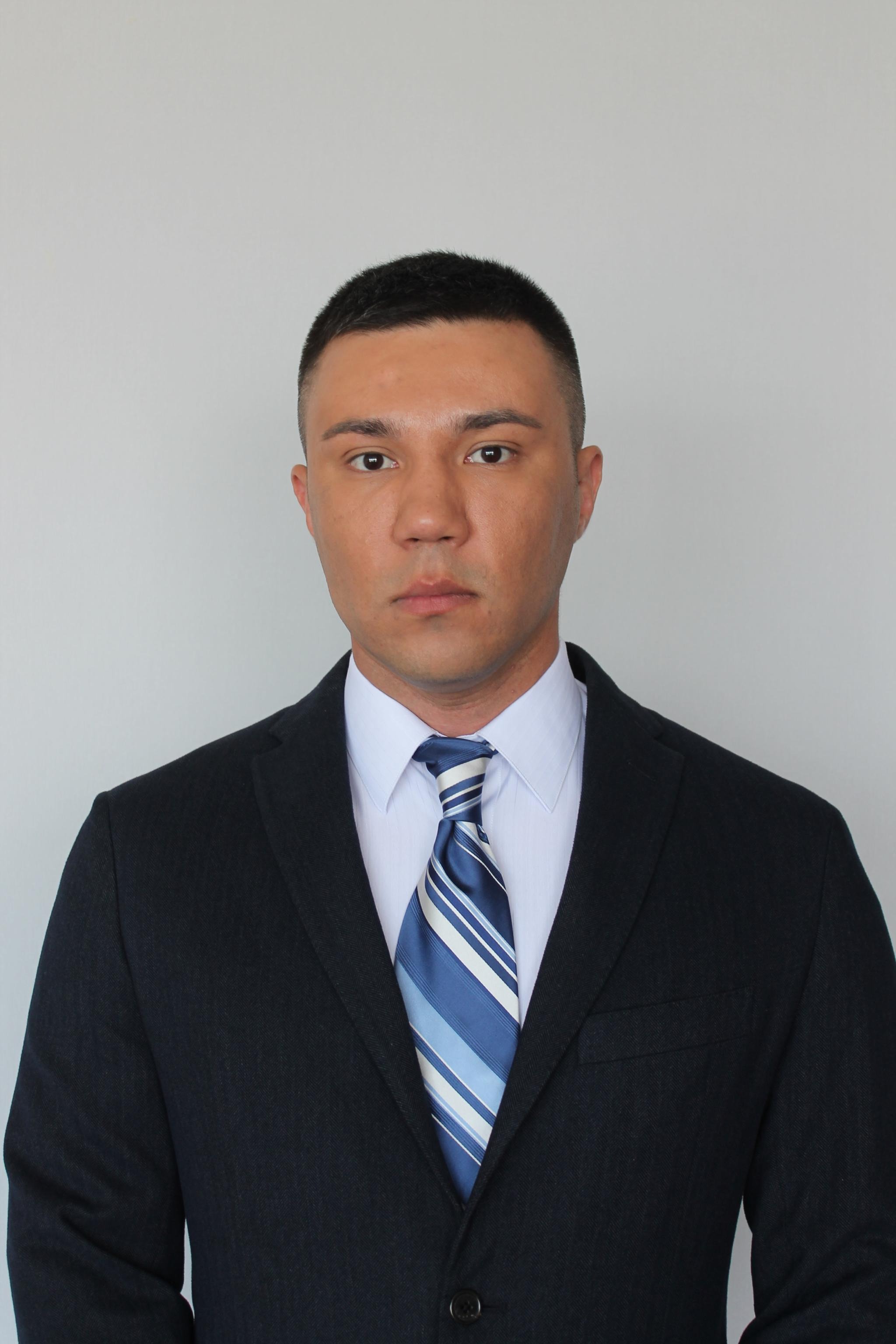
ILLIA TRETIAKOV
Founder
TRETIAKOV CONSULTING
Interim leadership becomes necessary when the decisions a role exists to take are not being taken, and cannot wait for a recruitment.
"I take a defined executive or operating role personally, with decision rights, reporting and completion conditions agreed before entry, and I remain accountable to the owner or board throughout."
ILLIA TRETIAKOV
Founder
AUTHORITY AND THE COST OF DELAY
04
AUTHORITY AND THE COST OF DELAY
AUTHORITY AND THE COST OF DELAY
//
Where the authority must sit
The role must be able to take the decisions the situation requires without routine escalation to the sponsor or board.
//
Where the authority must sit
The role must be able to take the decisions the situation requires without routine escalation to the sponsor or board.
//
Where the authority must sit
The role must be able to take the decisions the situation requires without routine escalation to the sponsor or board.
//
What the delay is costing
Deferred decisions, commitments taken without accountability, working capital deteriorating and key people leaving are quantified wherever the evidence allows.
//
What the delay is costing
Deferred decisions, commitments taken without accountability, working capital deteriorating and key people leaving are quantified wherever the evidence allows.
//
What the delay is costing
Deferred decisions, commitments taken without accountability, working capital deteriorating and key people leaving are quantified wherever the evidence allows.
TRETIAKOV CONSULTING
Since // 2015
A role granted without the authority the situation requires reproduces the problem it was called to resolve, at additional cost.
HOW AN INTERIM APPOINTMENT PROCEEDS
05
From a role nobody is holding to a management arrangement that can hold it
From a role nobody is holding to a management arrangement that can hold it
From a role nobody is holding to a management arrangement that can hold it




The powers before the entry
The appointment does not begin until the decisions the role may take, the reporting line, the result it answers for and the condition on which it ends are agreed in writing with the sponsor.
The role exercised in practice
The management meeting is chaired, the decisions the role exists to take are taken, and the owner or board receives the same account it would receive from a permanent executive.
The numbers before the conclusions
A reliable view of cash, the order book, margin by line and existing commitments is established before conclusions are drawn about what must change, so that reported performance can be reconciled with operating reality early.
The handover designed at the outset
A successor or a permanent management arrangement is prepared while the role is still held, so that the handover is a transfer of authority rather than a departure, and the appointment ends on the condition agreed.
The powers before the entry
The appointment does not begin until the decisions the role may take, the reporting line, the result it answers for and the condition on which it ends are agreed in writing with the sponsor.
The numbers before the conclusions
A reliable view of cash, the order book, margin by line and existing commitments is established before conclusions are drawn about what must change, so that reported performance can be reconciled with operating reality early.
The role exercised in practice
The management meeting is chaired, the decisions the role exists to take are taken, and the owner or board receives the same account it would receive from a permanent executive.
The handover designed at the outset
A successor or a permanent management arrangement is prepared while the role is still held, so that the handover is a transfer of authority rather than a departure, and the appointment ends on the condition agreed.
The powers before the entry
The appointment does not begin until the decisions the role may take, the reporting line, the result it answers for and the condition on which it ends are agreed in writing with the sponsor.
The numbers before the conclusions
A reliable view of cash, the order book, margin by line and existing commitments is established before conclusions are drawn about what must change, so that reported performance can be reconciled with operating reality early.
The role exercised in practice
The management meeting is chaired, the decisions the role exists to take are taken, and the owner or board receives the same account it would receive from a permanent executive.
The handover designed at the outset
A successor or a permanent management arrangement is prepared while the role is still held, so that the handover is a transfer of authority rather than a departure, and the appointment ends on the condition agreed.
+
18
//
years of executive leadership
+
50
//
projects delivered since 2015
//
Experience across 15 international markets
//
Led organisations of up to 700 people
//
Senior- led throughout
//
One principal from diagnosis to delivery
+
18
//
years of executive leadership
+
50
//
projects delivered since 2015
//
Experience across 15 international markets
//
Led organisations of up to 700 people
//
Senior- led throughout
//
One principal from diagnosis to delivery
+
18
//
years of executive leadership
+
50
//
projects delivered since 2015
//
Experience across 15 international markets
//
Led organisations of up to 700 people
//
Senior- led throughout
//
One principal from diagnosis to delivery
Who this is for
06
Who this is for
Who this is for
An interim role is commissioned by owners, boards and executives accountable for a result while a critical position, function or programme lacks effective leadership, and the cost of waiting exceeds the cost of acting.
01
//
Owners and founders
The owner has stepped back or must do so, and a credible internal successor is not yet ready to take the business on.
01
//
Owners and founders
The owner has stepped back or must do so, and a credible internal successor is not yet ready to take the business on.
02
//
Boards and investors
Capital is committed and the plan approved, but the outcome depends heavily on the executive responsible for converting it into operating decisions.
02
//
Boards and investors
Capital is committed and the plan approved, but the outcome depends heavily on the executive responsible for converting it into operating decisions.
03
//
Sitting chief executives
The agenda is settled, but a function, a market or a programme is being managed by whoever has capacity rather than by whoever has authority.
03
//
Sitting chief executives
The agenda is settled, but a function, a market or a programme is being managed by whoever has capacity rather than by whoever has authority.
04
//
Foreign parents and subsidiaries
The entity is owned and funded from abroad, while the parent has limited direct visibility into how local decisions are taken and executed.
04
//
Foreign parents and subsidiaries
The entity is owned and funded from abroad, while the parent has limited direct visibility into how local decisions are taken and executed.

TYPICAL INTERIM ENGAGEMENTS
07
TYPICAL INTERIM ENGAGEMENTS
TYPICAL INTERIM ENGAGEMENTS
TYPICAL INTERIM ENGAGEMENTS
The work begins when a role cannot be left open, a programme cannot be left unled, or a result can no longer be left with those producing it.

TRETIAKOV CONSULTING
Since // 2015
Where the primary constraint lies in the operating model rather than in the absence of effective leadership, operating model redesign may be the appropriate starting point. In some situations both are required in sequence.
Where the primary constraint lies in the operating model rather than in the absence of effective leadership, operating model redesign may be the appropriate starting point. In some situations both are required in sequence.
Why Tretiakov Consulting
08
An interim role produces decisions, not recommendations, and is judged on what remains.
SENIOR-LED THROUGHOUT
JUDGMENT GROUNDED IN P&L
AUTHORITY AGREED BEFORE ENTRY
ACCOUNTABLE TO THE OWNER OR BOARD
SENIOR-LED THROUGHOUT
JUDGMENT GROUNDED IN P&L
AUTHORITY AGREED BEFORE ENTRY
ACCOUNTABLE TO THE OWNER OR BOARD
SENIOR-LED THROUGHOUT
JUDGMENT GROUNDED IN P&L
AUTHORITY AGREED BEFORE ENTRY
ACCOUNTABLE TO THE OWNER OR BOARD

TRETIAKOV CONSULTING
Judgment grounded in P&L responsibility
The role is held by a practitioner with direct P&L responsibility as chief executive and in general management, in organisations of up to 700 people.
Judgment grounded in P&L responsibility
The role is held by a practitioner with direct P&L responsibility as chief executive and in general management, in organisations of up to 700 people.
Authority agreed before entry
Where the authority the situation requires is not granted, we do not accept the role, since a role without decision rights reproduces the problem it was called to resolve.
Authority agreed before entry
Where the authority the situation requires is not granted, we do not accept the role, since a role without decision rights reproduces the problem it was called to resolve.
Authority agreed before entry
Where the authority the situation requires is not granted, we do not accept the role, since a role without decision rights reproduces the problem it was called to resolve.
Measured by what remains
The engagement is judged on the state of the business at handover: authority transferred, reporting reliable, and the result no longer dependent on the interim leader.
Measured by what remains
The engagement is judged on the state of the business at handover: authority transferred, reporting reliable, and the result no longer dependent on the interim leader.
Measured by what remains
The engagement is judged on the state of the business at handover: authority transferred, reporting reliable, and the result no longer dependent on the interim leader.
Since // 2015
Where a role has been left without effective leadership, the first question is not who should hold it but what it must be allowed to decide.
Where a role has been left without effective leadership, the first question is not who should hold it but what it must be allowed to decide.
Questions we are often asked
09
Questions we are often asked
Questions we are often asked
We have deferred this for two years. What has that cost us?
The full cost rarely appears in one line of the accounts, so it is assembled from four indicators: time taken to reach decisions, decisions returned upwards after delegation, duplicated management cost, and investment approvals still waiting. Each is quantified where the data permits, and the uncertainty stated where it does not.
If we delegate profit-and-loss to the units, how do we know control is retained?
Control is retained primarily through reserved matters, capital allocation, performance oversight and the mandate of the centre, rather than through routine approval of operating decisions. A unit can hold real accountability for margin and pricing while major commitments remain with the group. Where that line sits is decided deliberately, and written down.
How do you decide between full interim leadership and fractional support?
It depends on how intense and how long the situation is, and on how much involvement the organisation can absorb without confusing who decides what. A full-time operating gap usually needs a full interim role, while a defined programme that needs experienced oversight may need only fractional involvement. We match the format to the problem, not to a fixed package.
How is this different from a classic advisory engagement?
Classic advisory work supports the decision from outside the line. Interim leadership steps into the line for a defined period, with real authority over pace, coordination and follow-through. When the direction is set and the gap is execution, more recommendations rarely move it. What moves it is a senior operator who can make and sequence the calls the phase requires.
Moving authority is hard to reverse. How do we judge the design before we commit?
The proposed model is run against decisions already taken. The approvals of the past year are replayed through it: who would have decided, how long it would have taken, what would have changed. Where ownership is no clearer and resolution no faster, the design needs further work before anyone commits.
How do you decide between full interim leadership and fractional support?
It depends on how intense and how long the situation is, and on how much involvement the organisation can absorb without confusing who decides what. A full-time operating gap usually needs a full interim role, while a defined programme that needs experienced oversight may need only fractional involvement. We match the format to the problem, not to a fixed package.
We have deferred this for two years. What has that cost us?
The full cost rarely appears in one line of the accounts, so it is assembled from four indicators: time taken to reach decisions, decisions returned upwards after delegation, duplicated management cost, and investment approvals still waiting. Each is quantified where the data permits, and the uncertainty stated where it does not.
How is this different from a classic advisory engagement?
Classic advisory work supports the decision from outside the line. Interim leadership steps into the line for a defined period, with real authority over pace, coordination and follow-through. When the direction is set and the gap is execution, more recommendations rarely move it. What moves it is a senior operator who can make and sequence the calls the phase requires.
If we delegate profit-and-loss to the units, how do we know control is retained?
Control is retained primarily through reserved matters, capital allocation, performance oversight and the mandate of the centre, rather than through routine approval of operating decisions. A unit can hold real accountability for margin and pricing while major commitments remain with the group. Where that line sits is decided deliberately, and written down.
Moving authority is hard to reverse. How do we judge the design before we commit?
The proposed model is run against decisions already taken. The approvals of the past year are replayed through it: who would have decided, how long it would have taken, what would have changed. Where ownership is no clearer and resolution no faster, the design needs further work before anyone commits.
How do you decide between full interim leadership and fractional support?
It depends on how intense and how long the situation is, and on how much involvement the organisation can absorb without confusing who decides what. A full-time operating gap usually needs a full interim role, while a defined programme that needs experienced oversight may need only fractional involvement. We match the format to the problem, not to a fixed package.
How do you decide between full interim leadership and fractional support?
It depends on how intense and how long the situation is, and on how much involvement the organisation can absorb without confusing who decides what. A full-time operating gap usually needs a full interim role, while a defined programme that needs experienced oversight may need only fractional involvement. We match the format to the problem, not to a fixed package.
insights
10
our insights




Market and execution context
Why operating context matters in interim management decisions
Interim leadership cannot be designed in isolation from the operating environment the business is moving through. Country-level business conditions, labour and regulatory frameworks, sector dynamics, ownership structure and the maturity of local management teams all shape what an interim engagement can realistically deliver and over what timeline. Public frameworks such as the World Bank Business Ready project, which assesses business environments across more than 50 economies, and the EBRD Transition Report, which documents transition trajectories in Central Europe, Central Asia, the Caucasus and neighbouring markets, can provide useful context on the business environments and transition-market conditions under which cross-border interim engagements operate, but they do not replace engagement-specific assessment.
We use this context as input rather than as conclusion. The practical question is whether the leadership gap, authority model, operating priorities and handover plan are realistic for the business in front of us. The translation from external context to engagement design is where the substantive part of this work begins.
Why transformation programmes stall without dedicated senior leadership
Many transformation programmes that disappoint do not fail primarily because the underlying strategy was wrong. They lose momentum because no one held enough dedicated authority and operating credibility to maintain pace, coherence and management focus through the most demanding phase. Workstreams multiply. Their owners drift out of alignment. Internal politics slow decisions that should be moving. Management attention divides between the change effort and the business that must continue running. Senior sponsorship at executive committee or board level may be in place, but day-to-day execution of the programme often operates without a senior figure inside the work who can push it through resistance, distraction and the inevitable competing priorities.
The transformation question, in other words, is rarely about whether the strategic case was right. It is about whether the execution architecture, leadership presence and operating rhythm are strong enough to convert strategy into outcomes the business actually realises. This is the same question addressed in our analysis of Mittelstand transformation and business model renewal, where German mid-market companies pursuing structural change often face the same gap: a transformation that has been correctly identified at strategic level but is not being carried with the operating leadership the demanding phase requires.
Why interim leadership is shaped around a defined operating need, not a vacancy
Interim involvement adds the most value not when it substitutes for missing managers, but when it addresses gaps that no permanent role would normally be designed to fill. A business may need a senior operator inside a transformation only for the period when change is most demanding. It may need a chief restructuring officer for the duration of stabilisation, not as a permanent member of the executive team. It may need an experienced operator alongside the CEO during post-deal integration, with the engagement ending once the new operating model is stable. In each of these situations, the engagement is shaped around a specific operating need that exists for a defined period, not around a vacancy that has to be filled.
Operating model redesign is one of the situations where this temporary-but-senior model fits most naturally, as set out in our analysis of operating model redesign for companies in the Netherlands. Redesigning an operating model is not only an analytical exercise. It is a leadership exercise: the redesign has to be carried through the organisation by someone with the authority, time and operating credibility to make the new model functional in practice, not only documented on paper. Interim involvement in this kind of mandate works because the engagement is matched to exactly the period when senior operating leadership matters most.
What owners and boards should assess before bringing in interim leadership
A decision to bring in interim or fractional executive support should be tested against a structured set of questions before the engagement is shaped.
The actual gap. Whether the gap is genuinely executive and operational rather than analytical, and whether the business has already exhausted what additional advisory input can usefully add.
Scope and intensity of involvement. Whether the situation requires full interim executive leadership, fractional executive support on a defined initiative, or a senior operator embedded alongside existing management for a specific period.
Authority boundaries. Whether the interim role will have clear authority over the decisions and execution lines it is meant to drive, and whether the boundary between interim authority and existing management authority is unambiguous to the organisation.
Sequencing and priorities. Whether the most urgent issues, recovery actions or transformation workstreams have been clearly identified, or whether the engagement risks being absorbed into competing demands without clear sequencing.
Operating absorption. Whether the organisation can realistically absorb the pace and direction of change the interim leader brings, or whether the engagement needs to be calibrated to what the business and its people can sustain.
Handover readiness. Whether the engagement is designed from the outset to leave behind a structure, rhythm and management capacity that internal leadership can sustain after the interim role ends, rather than creating dependency on the interim presence.
These are the dimensions on which serious interim management and operational leadership support for European and international owners, boards and senior executives is built.
When external interim leadership adds most value
External interim involvement is most useful when the business is moving through a phase that cannot be left to part-time leadership, distributed coordination or extended advisory engagement, but where building permanent internal capacity is either not justified or not feasible in the timeframe required.
Typical triggers include transformation programmes that have lost momentum and need dedicated senior leadership to restore pace and coherence, business units underperforming faster than ordinary management can correct, post-deal integration phases where bandwidth and operating depth fall short of what the deal requires, restructuring and turnaround situations where stabilisation needs to happen before broader redesign, leadership gaps during succession or sensitive transitions where an interim presence preserves continuity without committing to a permanent appointment, and high-stakes initiatives where the cost of slow or fragmented execution is materially higher than the cost of bringing in senior operating capacity for the period the business is moving through. In all of these situations, the role of senior interim management is to bring operating leadership and execution discipline directly into the work, for as long as the situation genuinely requires and no longer than the business needs.
Interim Management and Operational Leadership
Senior-level interim management for companies that need direct leadership capacity during demanding transitions, execution-intensive initiatives or periods where advisory alone is no longer sufficient.
There are situations where a business does not need another set of recommendations, another strategic review or another external assessment. It needs someone inside the work. A transformation is underway but lacks real day-to-day authority behind it. A business unit is underperforming and no one has enough control to turn it around. A post-deal integration is more complex than expected and the management team is running out of bandwidth. A high-stakes initiative carries strategic importance but no single person is driving it with the speed, coordination or persistence the situation demands. In each of these cases, the gap is not analytical it is executive and operational.
Tretiakov Consulting works in these situations as an interim leader, temporary executive partner or hands-on operator entering the engagement directly where the business needs more than advice and less than a permanent hire. Interim management at this level is not about filling an organisational vacancy with a temporary name. It is about bringing senior leadership capacity into a situation that requires direct involvement: stabilising execution, creating operational traction, restoring management rhythm and moving the business through a phase that cannot be left to fragmented responsibility or overstretched management attention. This includes operational leadership support during transition where the current structure does not have enough bandwidth, authority or execution depth to navigate the period ahead.
Our Interim Management and Operational Leadership Services
Interim Leadership for High-Stakes Initiatives
Some initiatives become vulnerable not because the strategic decision behind them is wrong, but because no one is driving the execution with enough authority, persistence and cross-functional reach. The direction is agreed, resources are nominally allocated, multiple teams are involved yet progress stalls because accountability is fragmented, coordination is informal and the initiative has grown larger than anyone's day-to-day role allows them to manage properly. Interim leadership for transformation, expansion, restructuring or any high-stakes initiative becomes relevant precisely at this point when what is missing is not more analysis but a senior figure inside the work who can hold it together and move it forward.
The engagement is built for situations where the company needs direct, temporary leadership around an initiative that cannot be left to part-time attention or distributed coordination.
Scope of work typically includes:
- direct leadership of a defined strategic or operational initiative with clear deliverables
- clarification of priorities, accountabilities and delivery expectations across involved parties
- coordination across functions, teams and stakeholders whose alignment is required
- establishment of execution rhythm, control points and management visibility
- progression of the initiative toward a stable position that internal management can sustain
Interim Executive Support for Transformation
Transformation programmes often begin with energy and alignment at the top and then weaken once execution reaches the organisation. Workstreams multiply, their owners lose alignment, internal politics slow decisions, and management attention becomes divided between the change effort and the business that must continue running. The most common failure pattern is not that the transformation was poorly conceived it is that no one had enough dedicated authority and operating credibility to maintain pace, coherence and management focus through the most demanding phase.
Interim executive support for transformation is relevant where the business needs a temporary senior operator not another programme layer who can support the transformation from inside: aligning people around priorities, pushing decisions forward where they are stalling, and converting strategic intent into manageable, sequenced execution.
Scope of work typically includes:
- temporary executive involvement in a transformation or change initiative
- structuring of workstreams, priorities and decision sequencing around execution reality
- reinforcement of management capacity where senior leadership attention is overstretched
- improvement of escalation, follow-through and implementation rigour
- translation of transformation design into practical, trackable delivery
Operational Stabilisation and Performance Recovery
There are periods when a business does not primarily need redesign. It needs stability. Performance is inconsistent, delivery quality is declining, local teams are not aligned, management reporting has become reactive rather than diagnostic, and the operating rhythm is no longer capable of supporting predictable results. In these situations, operational leadership support is less about future-state architecture and more about restoring enough order, control and management coherence for the business to function reliably again.
This part of the engagement addresses the ongoing business not a specific initiative where operating performance has deteriorated faster than the current leadership structure can correct. It is especially relevant where management must regain visibility and control quickly, without waiting for a longer strategic programme to take effect.
Scope of work typically includes:
- diagnosis of operational instability, performance deterioration and immediate risk areas
- establishment of management control points, reporting cadence and escalation logic
- realignment of priorities across teams or functions operating under pressure
- restoration of delivery consistency, management discipline and operational predictability
- creation of a stable operating platform for subsequent improvement or leadership transition
Fractional Executive Support for Defined Initiatives
Not every situation requires full interim leadership. Some engagements need senior executive involvement on a focused, regular basis close enough to influence decisions and maintain pressure on delivery, but not structured as a full-time operating role. Fractional executive support is particularly useful where the business faces a high-stakes initiative that requires experienced oversight, structured follow-through and executive-level judgement, yet does not justify or cannot absorb a full interim appointment.
This model works best when a company needs temporary senior support around a defined initiative, a pressured transition phase or a delivery-intensive period where management would benefit from experienced executive involvement without creating a parallel permanent role.
Scope of work typically includes:
- fractional executive involvement around a defined initiative with clear scope and ownership
- senior-level input on sequencing, decision quality and delivery oversight
- reinforcement of management capacity on complex or time-sensitive workstreams
- support in maintaining executive focus on the issues that determine the outcome
- creation of a more controlled and accountable delivery structure around the initiative
Leadership Through Transition and Restructuring
Transitions put unusual pressure on leadership structures. Responsibilities shift, reporting becomes unstable, new expectations arrive before the organisation is ready, and ordinary management routines stop being reliable. This is common in restructurings, post-deal phases, operating resets, rapid expansion and leadership gaps that emerge during sensitive periods. In these situations, interim management is not about filling a vacancy mechanically. It is about providing enough leadership presence, practical authority and organisational continuity to prevent fragmentation while the business is moving from one state to another.
The engagement is focused on holding the organisation together during a passage that would otherwise create excessive drift, confusion or loss of momentum and building a handover-ready structure for whatever comes next.
Scope of work typically includes:
- interim leadership during restructuring, integration, scale-up or other transition phases
- maintenance of decision continuity, management authority and operational coherence
- alignment of teams and stakeholders during periods of structural instability
- reinforcement of delivery quality and management routines while the organisation is changing
- creation of a stable handover path toward the next operating configuration
Execution Recovery and Delivery Reinforcement
Some initiatives do not fail because the underlying idea is wrong. They fail because delivery has lost momentum, accountability has diluted and the organisation has started treating the initiative as background noise rather than a priority. Priorities are no longer clear, deadlines pass without visible consequence, responsibility for outcomes has become diffuse, and internal confidence in the initiative is eroding. This is the point at which further advisory input is usually no longer the answer. What is needed is direct intervention in the execution itself an experienced leader who can enter the situation, rebuild traction and restore the initiative's credibility inside the organisation.
Unlike operational stabilisation, which addresses the ongoing business, this engagement targets a specific initiative, programme or delivery commitment that has stalled and needs to be recovered before the business loses further time, value or internal trust.
Scope of work typically includes:
- diagnosis of where execution has weakened, stalled or lost momentum and accountability
- clarification of priorities, responsibilities and delivery logic around the initiative
- reinforcement of execution structure, management attention and delivery cadence
- rebuilding of operational traction and organisational confidence around the initiative
- creation of a more credible and manageable path toward the intended outcome
What This Service Delivers
Direct leadership where it is needed most
The business gains senior operating capacity inside the initiative, function or transition rather than advice delivered from outside it.
Greater execution stability during demanding phases
Priorities, accountability, reporting and management rhythm become more coherent under pressure.
Stronger transformation and initiative delivery
Change efforts, expansion programmes and high-stakes initiatives gain clearer operational leadership and better executive traction.
Faster recovery where delivery has weakened
An initiative or business area that has lost momentum can regain traction, control and internal credibility more quickly.
Temporary leadership without long-term commitment
The organisation receives interim or fractional executive support calibrated to the real intensity and duration of the need.
A more controlled path through transition
The business moves through restructuring, integration, scale-up or other demanding phases with more coherence and less organisational drift.
Our Approach to Interim Engagements
Interim management is often misunderstood either as a temporary replacement model (a contract body in an empty chair) or as an extended advisory assignment with a different label. In practice, the value of interim involvement is neither of these. It is about bringing senior leadership capacity, operating authority and execution experience into a situation that the current structure does not have the bandwidth, the control or the organisational leverage to resolve on its own.
Tretiakov Consulting approaches these engagements from the realities of the situation: where the business is exposed, what leadership capacity is genuinely missing, how much direct operating involvement is required, what needs to be addressed first and where the organisation can absorb support without creating confusion about who leads what. That is why the model can range from full interim executive leadership to fractional executive support depending on what the situation demands rather than what a standard service definition prescribes. When a company needs interim management, the question is not whether the engagement fits a template, but whether it fits the problem.
The aim is to provide interim management and hands-on operational leadership where the organisation needs senior execution capacity, temporary authority and practical operating presence to get through a demanding period and to leave behind a structure that internal management can sustain once the engagement ends.
When Interim Management Is Most Relevant
Interim management is most relevant when the business is facing a phase that requires leadership inside the work, not only guidance around it. It becomes especially useful where the company is under pressure to move quickly, restore control or deliver change in circumstances that the current team cannot absorb without reinforcement.
Typical situations include:
- a strategically important initiative lacks day-to-day leadership with enough authority, visibility and cross-functional control to drive it;
- a business unit, function or project needs temporary executive leadership before a permanent solution is in place;
- the company is moving through restructuring, scale-up, integration or turnaround and existing management bandwidth is no longer sufficient;
- a transformation has already begun but is drifting, slowing down or losing coherence because no one is carrying the execution;
- operational performance is deteriorating and leadership needs hands-on support beyond consulting to restore control and delivery quality;
- management recognises that the situation requires direct senior involvement not a longer advisory process to get through a decisive period.
Why Clients Choose This Approach
Businesses rarely seek interim management because they want more consulting. They seek it because the current structure does not have enough leadership capacity, operating authority or execution control to navigate a situation that has outgrown what internal management can handle alone. This approach is built for that moment.
This practice is most useful where market entry requires more than analysis and more than local access. It is designed for situations where strategic intent must be converted into a viable operating and commercial model.
Interim management as a real operating role
The engagement is approached as leadership inside the work with direct accountability for progress, coordination and delivery not as consulting around it.
Hands-on involvement beyond advisory
The value lies in direct operating presence, execution authority and the ability to restore traction under pressure not in producing additional analysis or recommendations.
Flexible intensity of involvement
The model can work as full interim executive leadership or as fractional executive support, depending on what the situation genuinely requires and what the organisation can absorb.
Particularly relevant in demanding transitions
The practice is most useful where the business is restructuring, integrating, scaling, stabilising or trying to regain control of a high-stakes initiative during a period of elevated pressure.
Execution realism
The work is shaped around what the organisation can realistically implement, absorb and sustain in the period it is moving through not around theoretical best practice.
Founder-led involvement
Clients work directly with a senior adviser and operator through a founder-led practice built around practical depth, operating experience and direct personal involvement not a generic consulting process, a staffing model or a rotating team.
How this advisory work is applied in practice
Senior interim management becomes most valuable when the business has already identified the direction of travel but cannot translate it into controlled execution with the leadership capacity currently available. The first task is therefore not to fill a role, but to define the actual operating gap: whether the issue is missing executive authority, insufficient management bandwidth, weak coordination across functions, loss of delivery rhythm, or the absence of a senior operator who can take responsibility for a defined transition period without becoming a permanent layer in the organisation.
Our work is structured around the elements that determine whether interim involvement can produce lasting results: the operating situation the business is moving through, the decisions that need temporary senior ownership, the boundary between interim authority and existing management authority, the pace of change the organisation can absorb, and the handover-readiness of the structure built during the engagement. The analysis is informed by productivity and operational-performance research documented in the OECD's productivity work, by firm-level operating conditions captured in the World Bank Enterprise Surveys, and by governance assessment principles reflected in the IFC Corporate Governance Methodology, but the conclusions are shaped by what the specific company, leadership team and operating moment can actually carry.
This is what separates serious interim involvement from temporary staffing, programme coordination or extended advisory support. The engagement has to be designed around a specific execution gap, with enough authority to create traction and enough discipline to avoid long-term dependency. If the role is unclear, interim involvement creates parallel decision lines. If the authority is too weak, it becomes advisory by another name. If handover is not designed from the beginning, the organisation risks becoming dependent on the interim presence rather than stronger because of it.
Cross-border focus and regional reach
Tretiakov Consulting delivers interim management and operational leadership support for European companies, owners, investors and boards that need senior leadership capacity inside a demanding situation, not advice around it. For owner-led businesses, family enterprises, mid-market companies and investor-owned groups connected to Belgium, the Netherlands, Switzerland, France and Germany, the issue is often that the business is moving through a period where the existing management structure does not have enough bandwidth, operating depth or dedicated authority to carry the phase without reinforcement. Typical mandates involve full interim executive leadership for a transformation, recovery programme or business unit, fractional executive support around a defined initiative, operational stabilisation where performance has deteriorated faster than management can correct, and leadership support through restructuring, post-deal integration, succession or scale-up phases.
The practice is also relevant for European and international companies, investors and boards operating, restructuring or developing assets across selected Central Asian, Caucasus and Eurasian markets, including Kazakhstan, Uzbekistan, Azerbaijan, Georgia and Armenia, as well as for established local and regional companies that have built scale and now need Western-level operating discipline during a demanding transformation, turnaround or post-acquisition phase. In these markets, the gap that interim involvement closes can be wider than in Western Europe: distance between headquarters and operations may limit continuous senior pressure, local management may need temporary reinforcement on a specific initiative without permanent appointment, and restructuring, operational reset or post-acquisition integration may require hands-on leadership inside the operating reality rather than additional plans from outside it. This is where interim leadership becomes most valuable, combining Western-level operating discipline with practical local judgement so that change happens through someone inside the work, not around it.
Related insights
For a deeper view of how this advisory work applies in specific European markets, see our analysis of interim management in Belgium, which addresses the situations where Belgian mid-market companies most often need senior interim involvement and how the model is shaped around the realities of the Belgian operating environment, and our work on interim management in Switzerland, which explains how senior interim leadership is used in Switzerland's mid-market, multinational subsidiary and family-owned business contexts, where temporary senior capacity can materially affect whether a transition remains controlled or becomes fragmented.
The complementary analysis on restructuring and turnaround advisory in Switzerland sets out how senior interim leadership supports stabilisation, financial restructuring and operational recovery in Swiss-based businesses where performance has deteriorated faster than the existing structure can correct, while our work on operational turnaround advisory in Kazakhstan addresses the practical realities of interim and operating leadership in a market where foreign-owned and locally controlled businesses may need direct, hands-on senior presence to restore management control, operating performance and cash discipline.
Market and execution context
Why operating context matters in interim management decisions
Interim leadership cannot be designed in isolation from the operating environment the business is moving through. Country-level business conditions, labour and regulatory frameworks, sector dynamics, ownership structure and the maturity of local management teams all shape what an interim engagement can realistically deliver and over what timeline. Public frameworks such as the World Bank Business Ready project, which assesses business environments across more than 50 economies, and the EBRD Transition Report, which documents transition trajectories in Central Europe, Central Asia, the Caucasus and neighbouring markets, can provide useful context on the business environments and transition-market conditions under which cross-border interim engagements operate, but they do not replace engagement-specific assessment.
We use this context as input rather than as conclusion. The practical question is whether the leadership gap, authority model, operating priorities and handover plan are realistic for the business in front of us. The translation from external context to engagement design is where the substantive part of this work begins.
Why transformation programmes stall without dedicated senior leadership
Many transformation programmes that disappoint do not fail primarily because the underlying strategy was wrong. They lose momentum because no one held enough dedicated authority and operating credibility to maintain pace, coherence and management focus through the most demanding phase. Workstreams multiply. Their owners drift out of alignment. Internal politics slow decisions that should be moving. Management attention divides between the change effort and the business that must continue running. Senior sponsorship at executive committee or board level may be in place, but day-to-day execution of the programme often operates without a senior figure inside the work who can push it through resistance, distraction and the inevitable competing priorities.
The transformation question, in other words, is rarely about whether the strategic case was right. It is about whether the execution architecture, leadership presence and operating rhythm are strong enough to convert strategy into outcomes the business actually realises. This is the same question addressed in our analysis of Mittelstand transformation and business model renewal, where German mid-market companies pursuing structural change often face the same gap: a transformation that has been correctly identified at strategic level but is not being carried with the operating leadership the demanding phase requires.
Why interim leadership is shaped around a defined operating need, not a vacancy
Interim involvement adds the most value not when it substitutes for missing managers, but when it addresses gaps that no permanent role would normally be designed to fill. A business may need a senior operator inside a transformation only for the period when change is most demanding. It may need a chief restructuring officer for the duration of stabilisation, not as a permanent member of the executive team. It may need an experienced operator alongside the CEO during post-deal integration, with the engagement ending once the new operating model is stable. In each of these situations, the engagement is shaped around a specific operating need that exists for a defined period, not around a vacancy that has to be filled.
Operating model redesign is one of the situations where this temporary-but-senior model fits most naturally, as set out in our analysis of operating model redesign for companies in the Netherlands. Redesigning an operating model is not only an analytical exercise. It is a leadership exercise: the redesign has to be carried through the organisation by someone with the authority, time and operating credibility to make the new model functional in practice, not only documented on paper. Interim involvement in this kind of mandate works because the engagement is matched to exactly the period when senior operating leadership matters most.
What owners and boards should assess before bringing in interim leadership
A decision to bring in interim or fractional executive support should be tested against a structured set of questions before the engagement is shaped.
The actual gap. Whether the gap is genuinely executive and operational rather than analytical, and whether the business has already exhausted what additional advisory input can usefully add.
Scope and intensity of involvement. Whether the situation requires full interim executive leadership, fractional executive support on a defined initiative, or a senior operator embedded alongside existing management for a specific period.
Authority boundaries. Whether the interim role will have clear authority over the decisions and execution lines it is meant to drive, and whether the boundary between interim authority and existing management authority is unambiguous to the organisation.
Sequencing and priorities. Whether the most urgent issues, recovery actions or transformation workstreams have been clearly identified, or whether the engagement risks being absorbed into competing demands without clear sequencing.
Operating absorption. Whether the organisation can realistically absorb the pace and direction of change the interim leader brings, or whether the engagement needs to be calibrated to what the business and its people can sustain.
Handover readiness. Whether the engagement is designed from the outset to leave behind a structure, rhythm and management capacity that internal leadership can sustain after the interim role ends, rather than creating dependency on the interim presence.
These are the dimensions on which serious interim management and operational leadership support for European and international owners, boards and senior executives is built.
When external interim leadership adds most value
External interim involvement is most useful when the business is moving through a phase that cannot be left to part-time leadership, distributed coordination or extended advisory engagement, but where building permanent internal capacity is either not justified or not feasible in the timeframe required.
Typical triggers include transformation programmes that have lost momentum and need dedicated senior leadership to restore pace and coherence, business units underperforming faster than ordinary management can correct, post-deal integration phases where bandwidth and operating depth fall short of what the deal requires, restructuring and turnaround situations where stabilisation needs to happen before broader redesign, leadership gaps during succession or sensitive transitions where an interim presence preserves continuity without committing to a permanent appointment, and high-stakes initiatives where the cost of slow or fragmented execution is materially higher than the cost of bringing in senior operating capacity for the period the business is moving through. In all of these situations, the role of senior interim management is to bring operating leadership and execution discipline directly into the work, for as long as the situation genuinely requires and no longer than the business needs.
Since // 2015
TRETIAKOV CONSULTING
Executive perspectives on economic ownership, decision authority, and the factors that make operating model redesign endure or unravel in practice.
Since // 2015
TRETIAKOV CONSULTING
Executive perspectives on economic ownership, decision authority, and the factors that make operating model redesign endure or unravel in practice.
Since // 2015
TRETIAKOV CONSULTING
Executive perspectives on economic ownership, decision authority, and the factors that make operating model redesign endure or unravel in practice.